TWIN-TECH – Twin Transition for VET Resilience
Project number: 2025-1-SI01-KA220-VET-000360870
Program: Erasmus+ KA220-VET
Project website: twin-tech.eu

Governments and businesses from all over the world are investing in new energy systems. In the countryside huge solar farms are being built, in cities and towns batteries are being connected to the power network of houses, buildings and streets are being renovated and cars are becoming more and more electric. The transition to new energy systems is mostly discussed in terms of technology and money needed for it.
On top of that, there is also another huge problem that cannot be solved by simply throwing a lot of money at it: Who is going to build, install, operate and repair all of this?
According to the International Energy Agency (IEA) energy employment reached 76 million in 2024 and it is growing faster than the rest of economy for the third year in a row. The biggest part of energy employment is within the electricity sector. The sector is including solar power, grid and energy storage. However, demand for skilled workers is rising faster than the supply of people with the right training.
While employment in the energy sector is increasing, the demand for skilled workers is growing faster than the supply of workers with appropriate training. In its 2025 survey, the IEA asked energy companies, trade unions and educators whether they encountered serious recruiting obstacles for various occupations. More than half of the respondents reported problems finding suitable candidates for the jobs of electricians and power-line workers, as well as those of pipefitters and pipe welders.
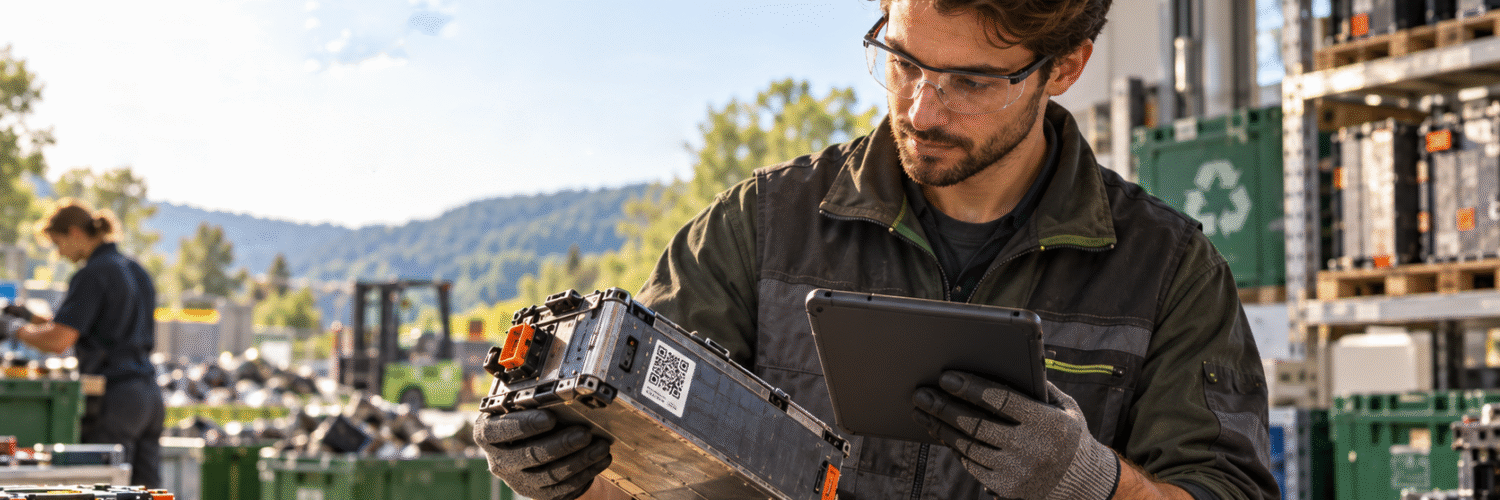
The lack of skilled workers in the energy transition is not just because of new professions but existing ones are undergoing changes. Electricians for example will have to deal with solar systems, battery storage and smart energy management. As well as conventional heating systems, installers of heat pumps will be in demand. And maintenance workers in power plants will increasingly monitor digitalized plants in order to prevent faults, reduce energy consumption and optimize operation.
However, there is more needed to service the new energy system than to send engineers to design the equipment. A host of technicians, installers, operators and maintenance people are required in all these new fields. Even within the set of relevant vocational programs, graduations have not kept up with required skill levels to service energy equipment in the past. So for the next 15 years or so, graduations entering the energy sector will need to increase globally by some 40% to try to mitigate a growing skills gap in this increasingly complex sector.
Regarding training for TWIN-TECH, research within each country showed growing demand for both applied technical skills and knowledge of new technologies combined with digital tools. The transnational analysis in TWIN-TECH related to the main shortages within the ‘new energy skill space’ covering energy efficiency, resources optimization, data, smart systems and related technical skills.
Specific training needs for the future within Greece, associated with the current and expected development of new technologies and industries, concern among others the topics of: photovoltaic systems, battery storage systems, hydrogen technologies, industrial monitoring and environmental monitoring. Again, training of future professionals should not aim to make every graduate an expert in all fields, but rather the existing educational offer in the vocational education and training system should be able to adapt more rapidly to changes in jobs and professions.
The transition to the energy sector, therefore, is also a transition in education. The installation of new equipment is not enough if there are not enough people with the right knowledge to work with it in a safe manner.
This is why European cooperation in vocational training is so important. It facilitates an exchange between training providers, enterprises and regional bodies from all over Europe within the frame work of the Erasmus+ program. The new energy infrastructure is made of steel, of cables, of batteries and concrete – but it needs a skilled workforce.